©

Monclar Cedric Vlemmings 6

|

Cédric Vlemmings

The phenomenon country houses

To understand the origins of the architecture of Lot-et-Garonne, it is essential to know what a ‘bastide’ is.

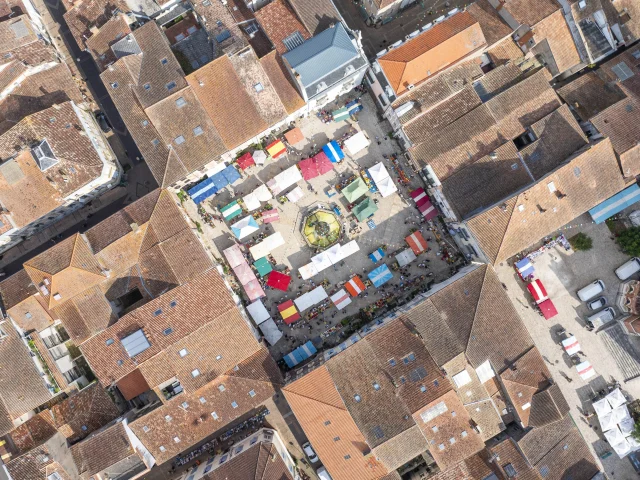
Between 1230 and 1350, numerous new towns and villages sprang up in south-western France: these were the ‘bastides’. Their design was based on an innovative concept: a central square dedicated to the market. This layout made it possible to organise trade, protect merchants, ensure the security of transactions and limit fraud.

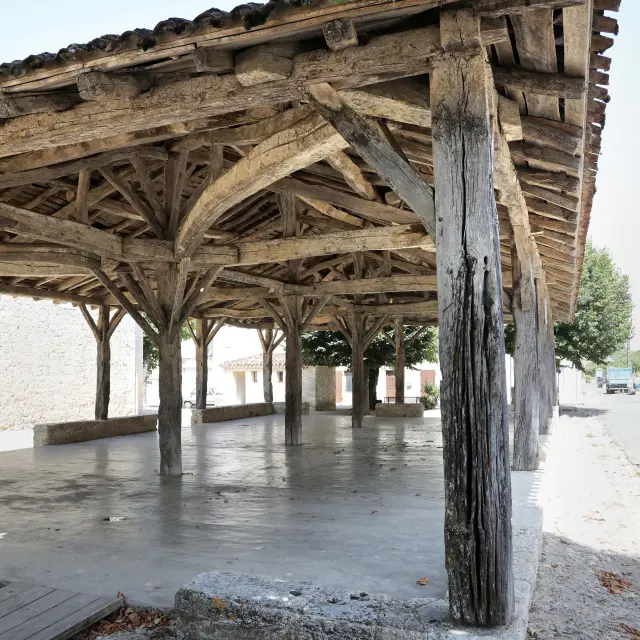
Later, these central squares were often surrounded by arcades or a market hall. The streets, generally laid out at right angles, are lined with houses whose pointed-arch doorways are reminiscent of the ‘market galleries’ of the Middle Ages.

Source: Federation of Bastides of Aquitaine
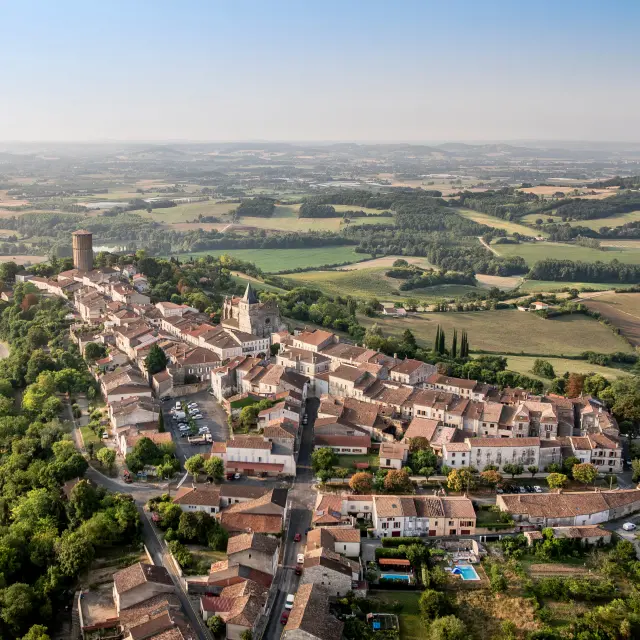
Bastides are one of the oldest examples of an economy in which the market plays a key role.

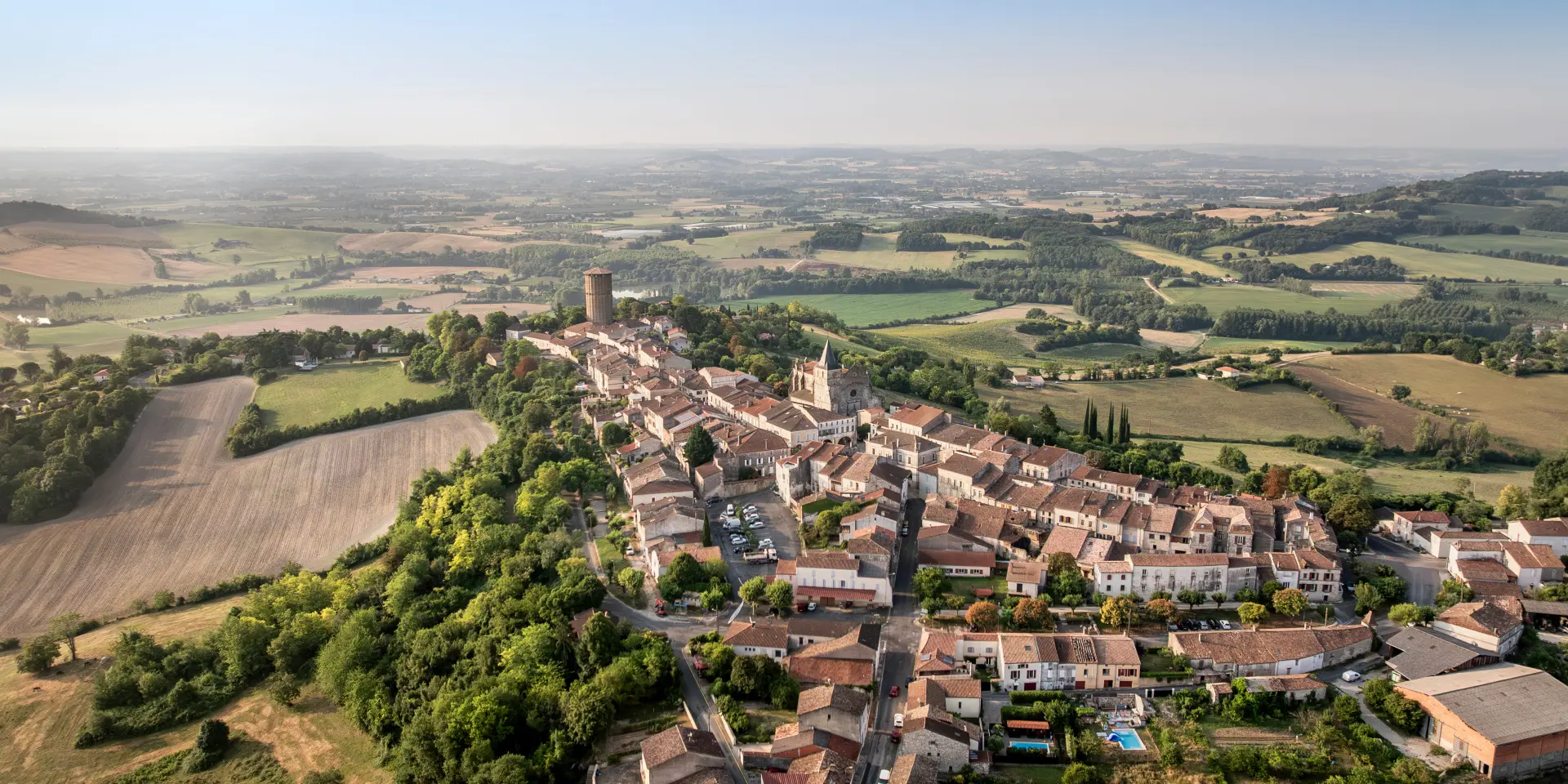
MONCLAR 1256

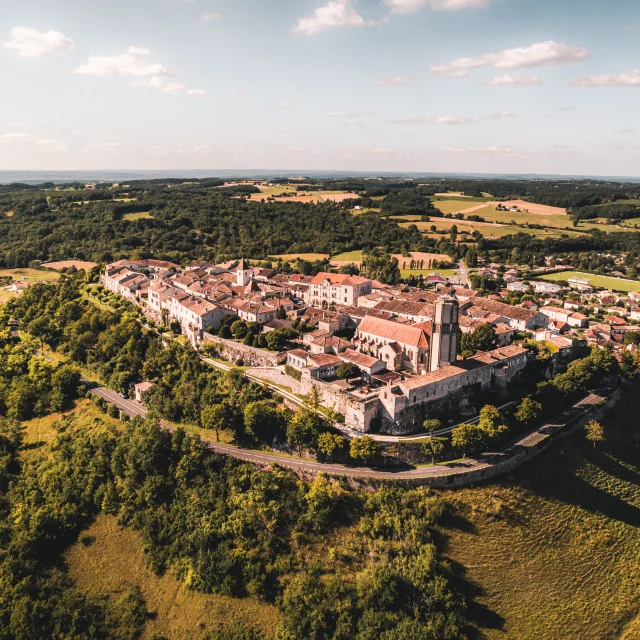
In 1253, the local lord asserted his rights over the bastide, which was therefore already in existence. A charter of customs was granted in 1256 by Alphonse de Poitiers. The settlement was laid out in a regular grid pattern, with a central square. From 1257 to 1269, Monclar and Monflanquin were under the jurisdiction of the same bailiff.

In December 1283, Edward I ordered the construction of a walled enclosure with moats and four gates, and he renewed the charters of customs in 1289. Despite the fortifications, the town changed hands several times. It returned to French control in 1440. The city walls were demolished in the 19th century.

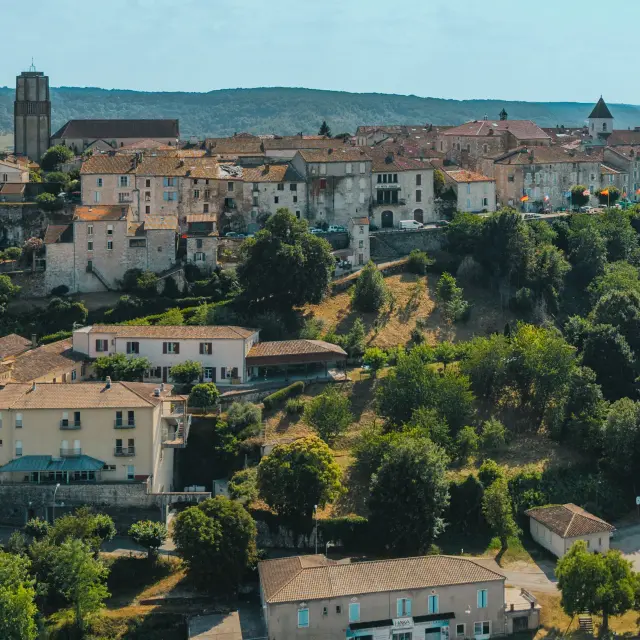
TOURNON-D'AGENAIS 1257

The castle probably existed as early as 1249. The fortified town is mentioned as the seat of the bailiff from 1257 onwards. The territory assigned to it stretched as far as the Lot, covering a distance of some fifteen kilometres.

Plans for a town wall were drawn up in 1283. The village changed hands frequently during the Hundred Years’ War. The church was razed to the ground in 1561, after which services were held in the Abescat house. A Récollets convent was built in the 17th century on the ruins of the castle. Knownas ‘Tournon-la-Montagne’during the Revolutionary period, its territory was divided twice in the 19th century.

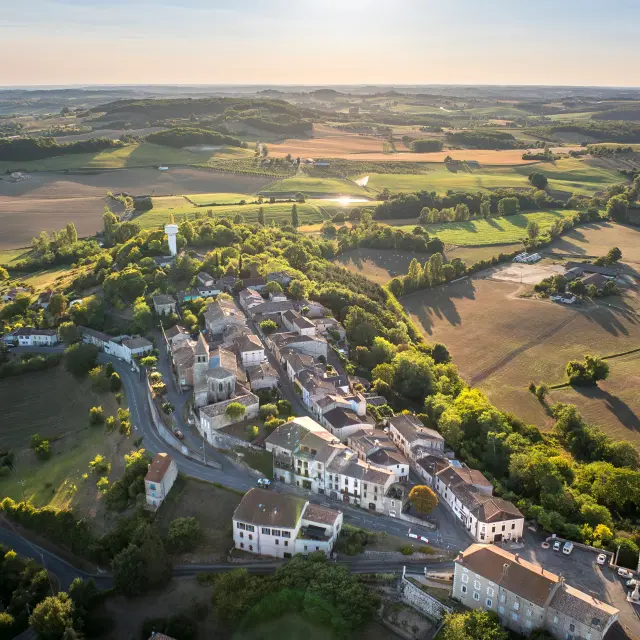
SAINT-PASTOUR 1259

The bastide was founded by Alphonse de Poitiers in 1259 as the centre of a bailiwick. It came under English suzerainty following the cession of the Agenais in 1279. A charter of customs was granted by the King of England on 7 April 1289. The streets are laid out in a grid pattern, whilst the central square and the church are off-centre.

Security concerns led to the construction of a wall after 1350 (‘rue des remparts’, ‘chemin de ronde’).

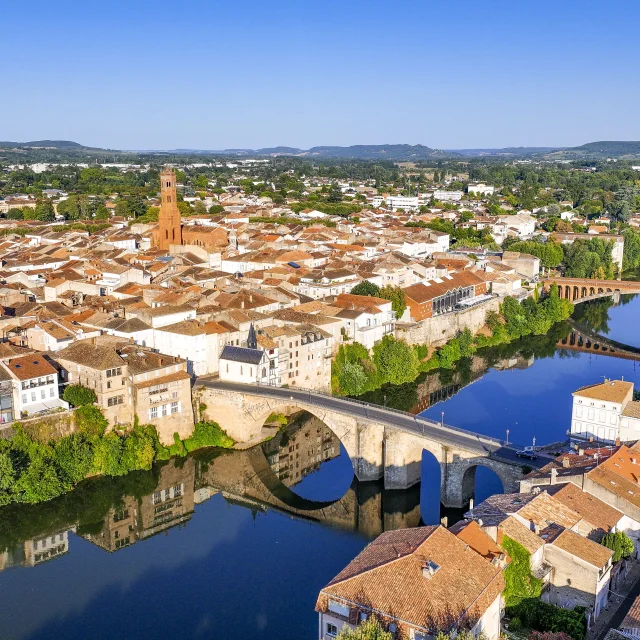
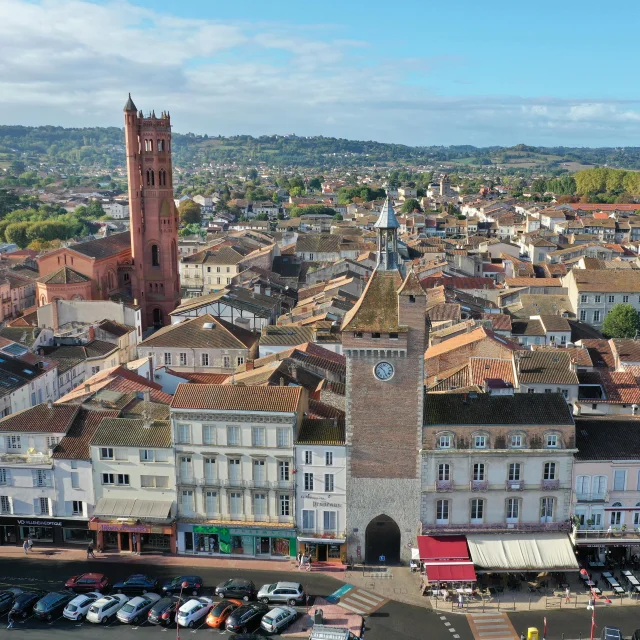
VILLENEUVE-SUR-LOT 1264

At the request of the Abbot of Eysses, Alphonse de Poitiers built a fortified town in partnership with the monastery. It was established on the right bank, as the abbey’s rights on the left bank were uncertain.

The new town developed rapidly: as early as 1268, a bailiwick (a territorial division similar to a canton) of ‘Villeneuve-de-Pujols’ replaced the pre-existing one of Pujols and even encompassed the old castrum. The town’s development was spurred by a stone bridge, which would go on to encourage further expansion of the town on the left bank.

A request was made in 1313 to ‘enclose’ the town. The original fortifications stretched for nearly 2 km, with a stone base 1.5 m to 2 m high, topped by a brick wall reaching a height of 8 m.

LAPARADE 1267

The bastide was founded in 1265 under the name of Castelseigneur by Alphonse de Poitiers, in joint ownership with the Abbot of Clairac, who held lands in the area. It exercised authority over the plateau within a radius of approximately 5 km. The charter of customs was signed in 1267. The town had a regular layout, with a central square hosting 12 fairs a year.

A castle was built within the bastide. During the Reformation, Catholics laid siege to it, set fire to the castle and destroyed the church. The fortifications were rebuilt and then demolished in 1621.

Did you know?

The villages of Sainte-Livrade-sur-Lot and Le Temple-sur-Lot feature traces of former bastides.

Preparing your stay in the Lot-et-Garonne Valley

Why not make the most of this getaway to discover the destination’s many restaurants, accommodation options and activities? Book your stay with us now: local restaurants and charming accommodation await you for a lovely break!

#bastides